
Who Can Still Afford to Play?
Why the Next Billion Players Aren’t Buying a Console

TL;DR:
Console and handheld prices surged through 2025 and into 2026 on a global memory shortage; while new games climbed toward $80 and subscriptions became a monthly bill that never ends and leaves the player owning nothing
The damage shows up in one Circana number: in Q1 2022, 40% of new gaming hardware buyers earned over $100K; by Q4 2025 it was 53%, a record high
The bottom fell out underneath that: buyers earning under $50K dropped from 31% to 19%, and buyers aged 18 to 24 collapsed from 10% of the market to 3%
The priced-out players did not quit gaming. They moved to retro handhelds, Android gaming devices, and the flagship phone already in their pocket, and that parallel market is growing at roughly 9% a year
This is not a pricing cycle that corrects itself. It is a structural change in what a gaming device even is, and the platforms still counting boxes are answering a question the player stopped asking
A few days ago I watched Bob from Wulff Den review a gaming phone, the Red Magic 11S Pro, and I kept forgetting it was a phone.
He ran the Resident Evil 2 demo at a locked 60 frames per second and did not touch a single setting. He emulated Switch games well enough that Mario Kart felt good in his hands, not merely tolerable but actually good.
The thing doing all of this fits in a jacket pocket and also makes phone calls. Bob meant it as a compliment to one device when he said it would make a great second device, the console you always have with you. I think it is the symptom, not the story.
The story is a number I cannot stop looking at, and it came from Circana’s Mat Piscatella, who tracks this market more honestly than almost anyone.
In Q1 2022, 40% of people buying new gaming hardware in the US earned more than $100,000 a year.
By the end of 2025 that figure had climbed to 53%, a record. Over the same window, buyers earning under $50,000 fell from 31% to 19%.
And the one that made me put my coffee down: buyers aged eighteen to twenty-four went from 10% of the hardware market to 3%.
Read those three numbers together and the conclusion is not subtle:
Console gaming: the thing that sold itself for forty years as the affordable hobby, has quietly become a hobby for the affluent and the middle-aged.
The kids and the broke: the exact people gaming was supposed to belong to, are leaving the room.
How the Affordable Hobby Stopped Being Affordable
The trigger was not greed. It was physics.
The AI data centre buildout created what the industry calls RAMageddon.
The big cloud companies started buying memory and storage faster than factories could make them and prices for the two parts every device needs; the working memory called DDR5 and the storage chips called NAND flash, went vertical.
Memory roughly quadrupled. Flash storage rose around 500% in six months. Every device with those parts inside it took the hit, and the makers passed the cost straight to the buyer.
The Steam Deck tells it cleanest. For anyone who has not used one, it is a handheld that plays a full library of PC games, the kind you would normally need a desktop and monitor to run. Its whole pitch was the price: $399 for the entry model, the one that made handheld PC gaming mainstream.
Then the prices moved:
512GB OLED: $549 to $789
1TB OLED: $649 to $949
$399 entry model: discontinued in December
That is a 44 to 46% jump on a device that did not change at all. Valve admitted as much, blaming component costs across the industry. So the handheld built to put a full PC library in your hands for $399 now tops out at $949, fifty dollars more than a PS5 Pro. The cheap handheld is gone.
The rest of the tier moved the same way:
PS5 Pro: $899
Xbox Series X: $649.99, after two increases in a single year
Average price of US gaming hardware: $373 in early 2022, $446 by the end of 2025
Now add the rest of the bill. Two games at $70 to $80 each push the cost of getting in past a thousand dollars before a cent of subscription, and online multiplayer runs another eighty to a hundred a year on top.
I have watched a lot of hardware cycles, and the thing that breaks the old logic is simple: consoles used to get cheaper. The PS2 eventually hit $129. The Xbox 360 was $199 four and a half years in. You paid a premium at launch, the price fell, and the broke kid got in two years later.
That curve is gone. The box now gets more expensive over its life, not less, and Piscatella expects prices to keep climbing. The on-ramp the hobby was built on has been removed.
The Subscription That Leaves You Owning Nothing
The platforms answered rising hardware prices by pushing harder on subscriptions, and the subscription bred its own resentment.
Game Pass Ultimate hit $29.99 a month in 2025, before Microsoft cut it back to $22.99 in April and effectively admitted it had overshot. PlayStation Plus splintered into Essential, Extra, and Premium tiers with rotating libraries and regional locks. The bill compounds forever and leaves the player owning nothing.
The completion data is the tell. On PlayStation Plus’s April lineup, Tomb Raider I to III Remastered sat at 9% average completion, Lords of the Fallen at 29%. People are claiming games they never play. The service trained a hoarding reflex, not an engagement one.
The resentment is not only about money. It is about trust.
A subscription asks the player to believe the thing they are renting will still be there next time, and it keeps proving it will not. Licences expire, terms change, games vanish. When Xbox pulled Call of Duty from day-one Game Pass in April, it rewrote the deal for millions of people who had no say in it.
Where the Priced-Out Player Actually Went
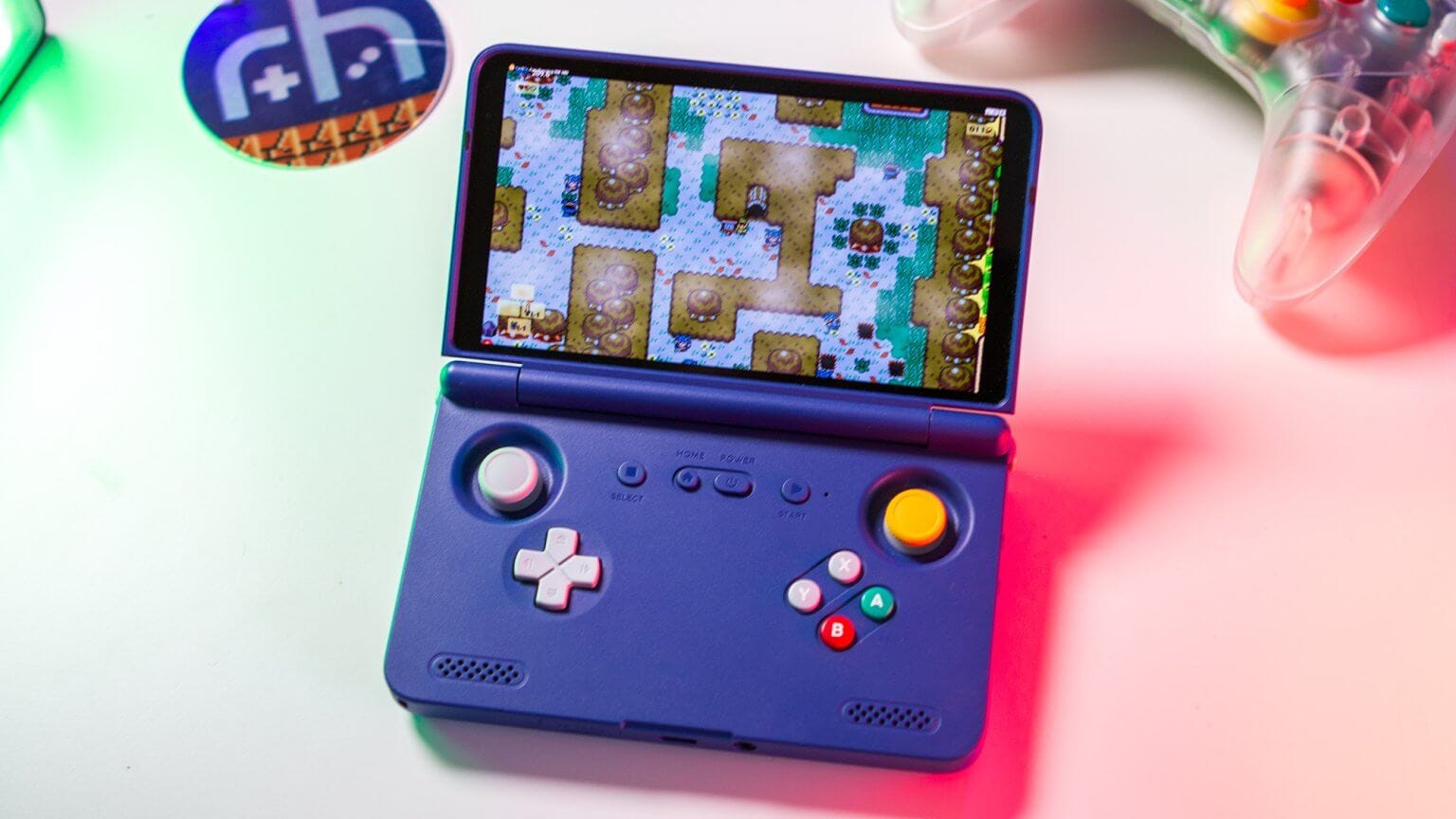
Here is what the platform-strategy coverage keeps missing. The players who left did not leave gaming. They built a parallel market, and it is booming.
Until about eighteen months ago, the retro handheld was for people who already knew what an emulator was, software that lets a modern device run games from an old console it was never built for.
Anbernic, Powkiddy, Miyoo, and Retroid shipped to that hobbyist crowd. Then the audience changed. The global retro console market hit $3.8 billion in 2025, projected to roughly double by 2033, with the segment posting around 32% sales growth in a single quarter against the entire prior year.
That is not enthusiasts. That is new people doing new math.
And the math is brutal laid side by side:
$60 Anbernic: every game from the systems you grew up with
$449 Ayn Thor: DS, 3DS, Switch, PlayStation up to the PS2 era, plus your own Steam and GOG library
$499 PS5 Digital: PS5 games only, plus $80 to $100 a year to play online
$899 PS5 Pro: the same, more expensive
One Ayn Thor reviewer said he had crammed 2.5 terabytes of games onto his, enough to last the rest of his life. You can see why the under-$50K household quietly disappeared from the console buyer base.
The phone closes the same vice from the top.
The Snapdragon 8 Elite Gen 5 inside the newest flagship Android phones crossed a threshold earlier mobile chips never reached: hardware ray tracing, the lighting trick high-end consoles use, and native Unreal Engine 5, the toolset behind most big-budget games. Qualcomm calls it console-defying, and the Bob review is the proof.
Flagship chips reach mid-range phones in eighteen to twenty-four months. What a $949 phone does today, a $400 phone does by late 2027.
Two billion people reach gaming through Android in markets where a PS5 was never realistic; and for them, the device already in their hand is about to become a serious gaming machine, with nothing new to buy.
What This Is Really About
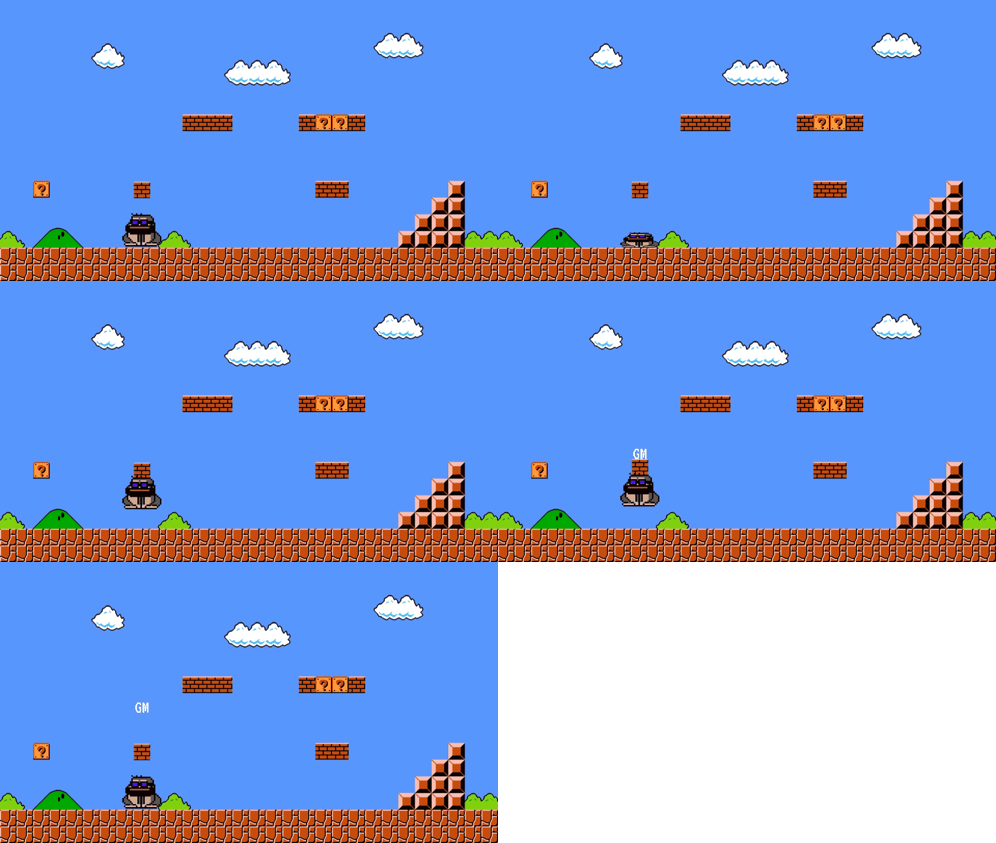
Now picture the other end of that experience.
A forty-dollar retro handheld turns on in three seconds and drops the player straight into Super Mario World; with no download, no update, no login, no internet, and nothing that can be taken back later.
That is not nostalgia doing the work. That is the contrast doing the work, and the contrast points at something the price story alone cannot explain.
Two forces are moving the same player, and they are not the same force.
Price pushes from below: the income data, the dead on-ramp, the broke kid who can no longer get in. That is exclusion. But preference pulls from the side, and it explains the buyer who can easily afford a PS5 and walks to a handheld anyway.
The retro community has a word for what that second buyer is chasing, even if they do not use it out loud: sovereignty.
The player owns the content, controls the device, and plays on terms nobody can revoke. That is a product category the subscription model cannot offer by design.
That is the debatable take, and I will say it plainly. The exodus is not one story.
Price drove the bottom out of the console market, and preference is now pulling the middle and the top out behind it.
The platforms built toll booths to solve the first problem and made the second one worse. The players will keep building roads around both.
The Proof Point and the Test
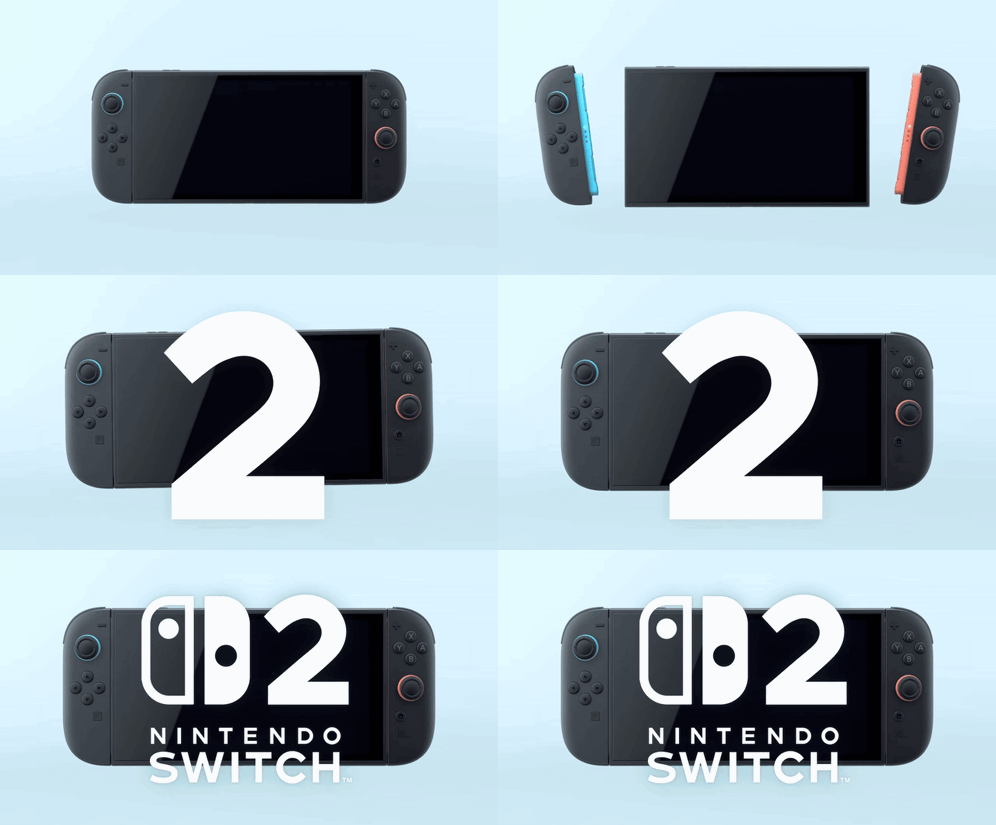
The proof point is the Switch 2, and it proves the second force, the one the price story misses. Nintendo sold 19.86 million units in the first full fiscal year at $449.99, outpacing the PS5 over the same window by more than six million, on roughly $14.75 billion in net sales and operating profit up 27.5%.
Nobody bought it because it was cheap.
They bought it because it goes with the player: a home console docked to the TV, a handheld everywhere else.
That is preference, not exclusion. The argument the enthusiast handheld market made from the bottom is the one Nintendo just proved at the top, at twenty million units. The player is not in the living room. The player is everywhere, and the device that wins is the one that travels.
The test is GTA 6, launching November 19 on PS5 and Xbox Series X|S only, PC dated for 2027 at the earliest. It carries the highest purchase intent Circana has ever tracked, and it is the last major release built on the old assumption that serious gaming requires a four-hundred-dollar box.
If it drives a real PS5 hardware spike, the consoles get a reprieve. If the PC version becomes the obviously preferred one the moment it lands, the delay strategy loses its last justification.
Either way, the player who spent sixty dollars on an Anbernic in 2025 is not coming back to a nine-hundred-dollar console because one great game shipped. The alternative market is not a detour the industry waits out. It is a structural answer to a structural problem, built by players who decided the hobby should still belong to them.
The console war was always the wrong fight. The right one was over whether the people gaming was built for could still afford to be in the room. Most of them have already answered.
Abbas Saleem is Principal Consultant at Llama & Griffin, working with game studios across six continents. He writes The Pattern Recognition, providing gaming industry intelligence 12 to 24 months before consensus.
Good piece. One gap worth adding though: the biggest destination for the priced-out player probably isn't the Anbernic, it's free-to-play mobile. Fortnite, PUBG Mobile, Genshin Impact. Games that cost nothing to start and run fine on the phone already in their pocket. The income data you cite is real, but a lot of those players didn't go shopping for retro hardware. They just stopped paying for games entirely, and the platforms enabling that are the ones the console business should actually be losing sleep over.
I largely agree with what's been said, but I think the economic aspect is only one piece of the puzzle. When you combine rising prices and an apocalyptic industry climate with AAA games that all look and feel the same — and aren't that fun — spending on powerful hardware to run them starts to feel pointless too.
I don't want to fall into the classic 'games were only good up until the seventh generation' trap, because genuinely groundbreaking stuff keeps coming out that pushes the medium forward and sets new benchmarks. But those feel like the exceptions. The bulk of big-budget production seems to be converging toward safe, interchangeable experiences — which makes you wonder whether these enormous budgets are actually necessary, or just a byproduct of an industry that scaled up faster than its own creativity could keep up with. Looking at where things seem to be heading, I think the answer is becoming pretty clear.
Great article, thanks for the food for thought!